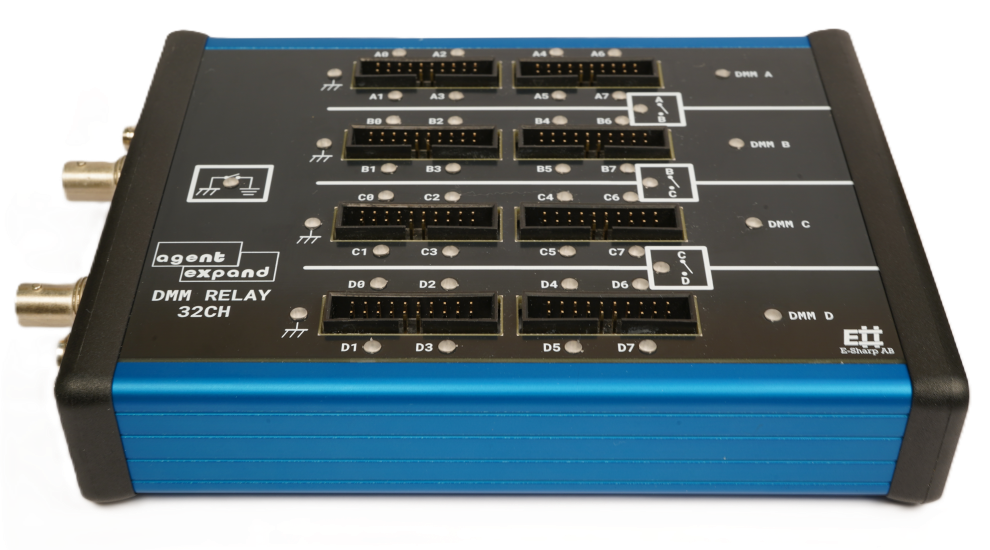
Accordion Expand SPDT Relay
8-channel SPDT relay module with emergency stop and LED indicators, ideal for high-power switching and flexible system integration.
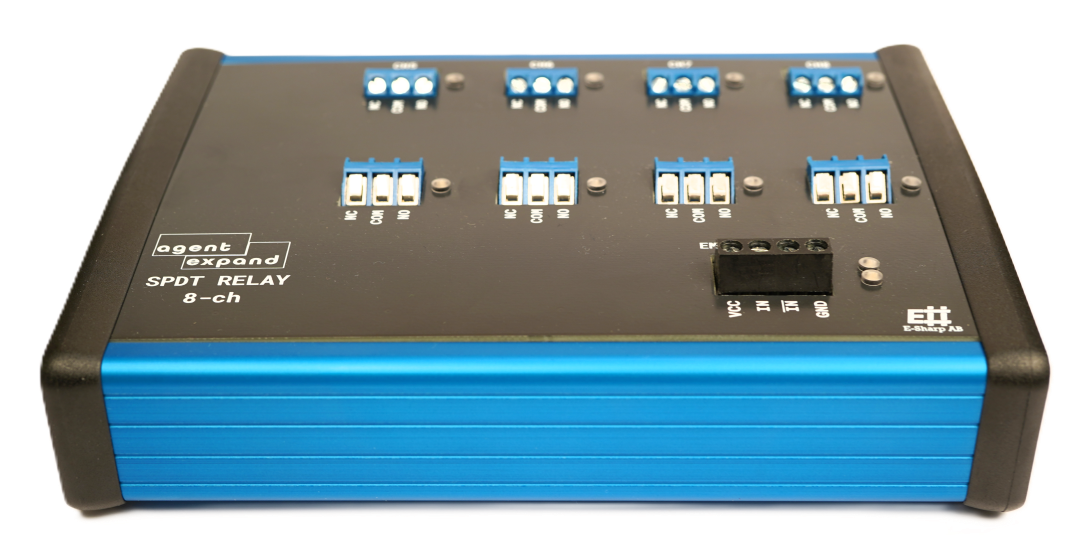
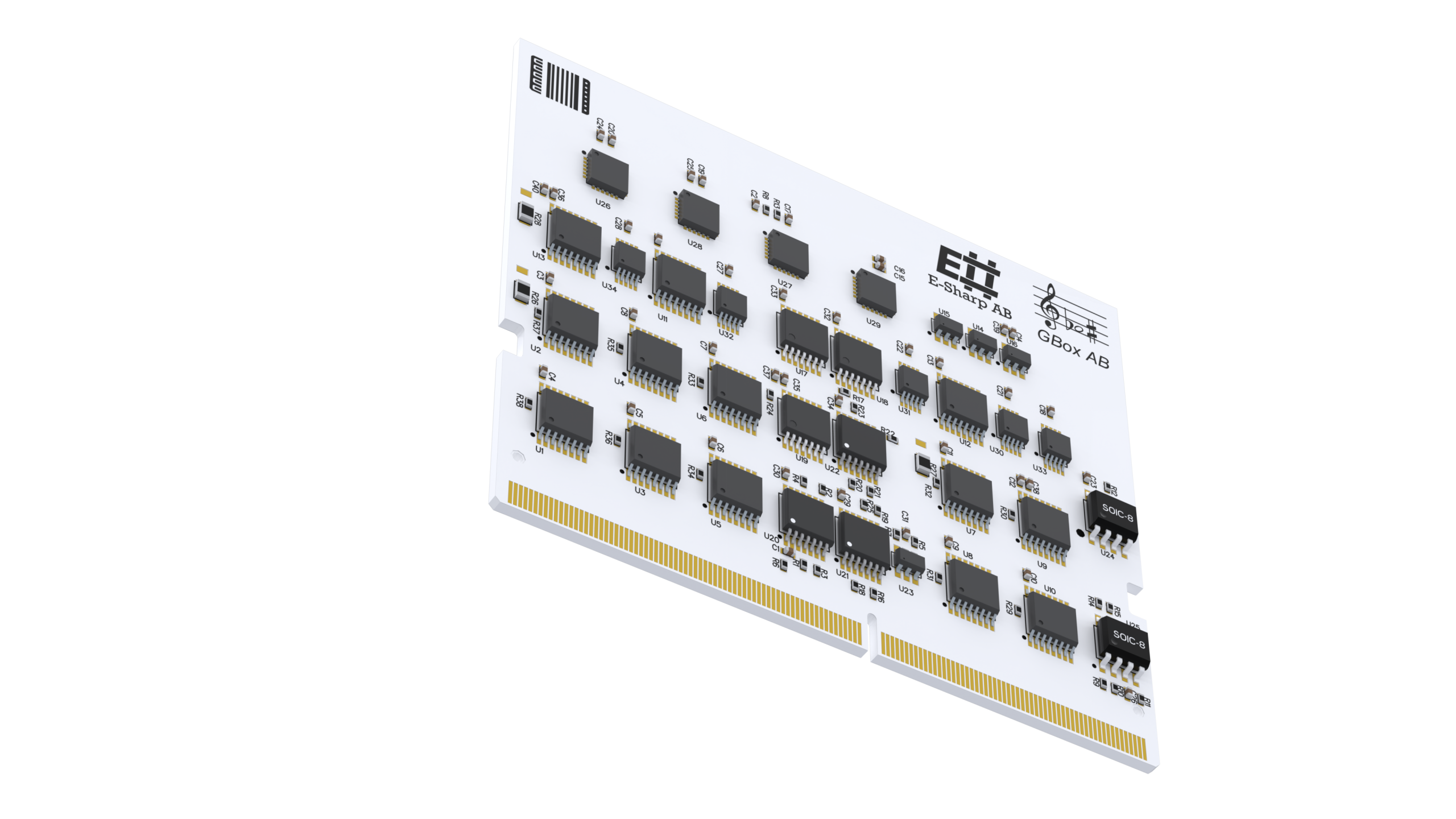
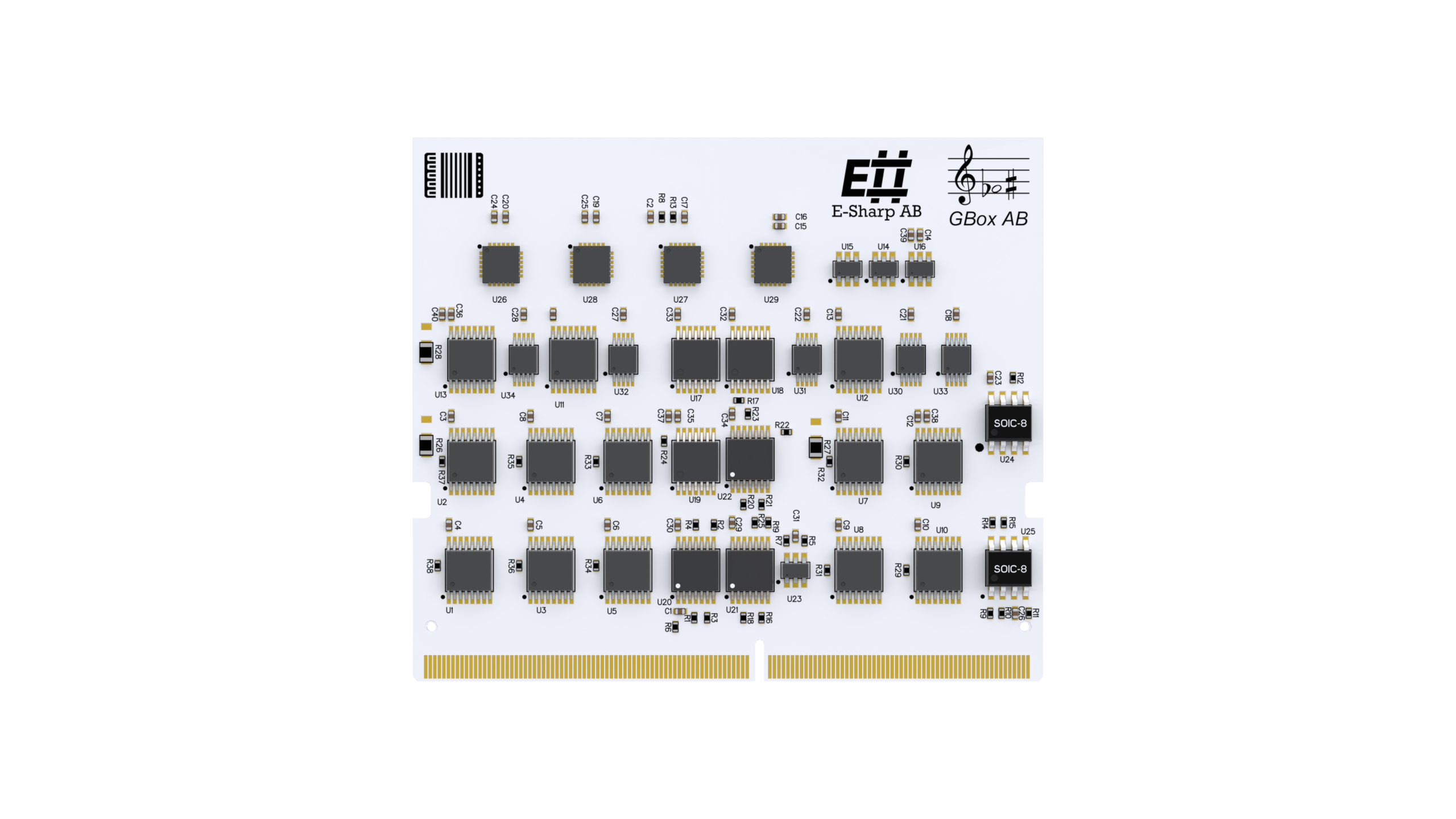
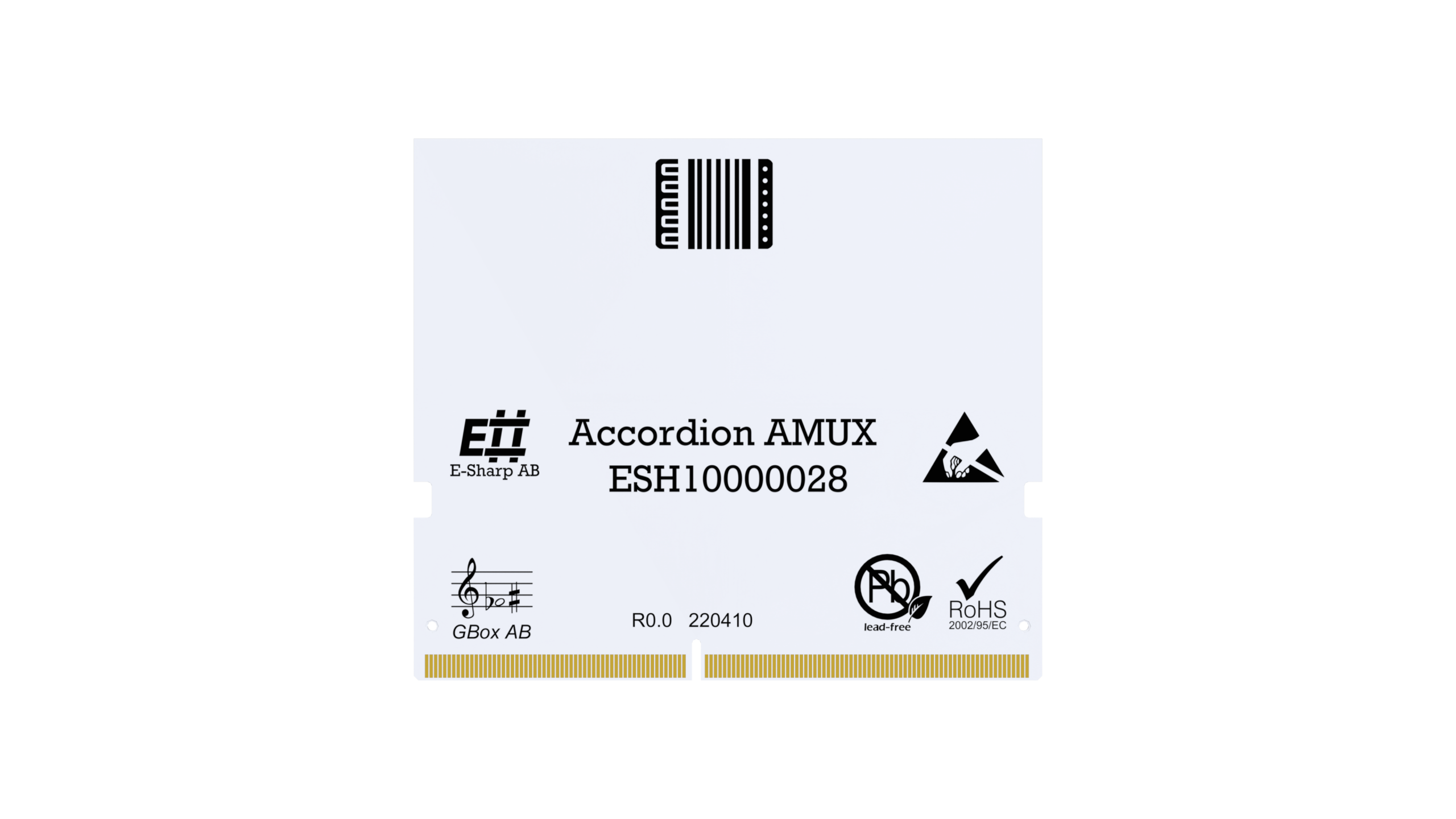



The AMUX is an analog multiplexer module part of the Accordion test system, built on the SO-DIMM form factor. Eighty analog signal paths are arranged as ten independent 8-to-1 multiplexers, software-routable into 1:80, 2:40, or 10×8 topologies depending on how the Accordion system maps it.
The AMUX routes analog signals between a single common node and one of several channel paths, software-selected. Use it to share a single instrument across many test points (1:80 mode), split a stimulus into two banks of 40 channels (2:40 mode), or run ten independent measurement legs in parallel (10×8 mode). Switching is bidirectional — the same paths carry signal in either direction with the same insertion loss.
The 500 MHz bandwidth keeps signal integrity intact for typical analog and pseudo-digital test work — DC measurements, audio, low-MHz protocol routing, and low-bandwidth RF up to the cutoff. Above 500 MHz, expect roll-off; signals at hundreds of megahertz with sharp edges may need additional consideration for path matching across banks.
The ±5 V signal tolerance covers the most common bench analog ranges (±5 V from precision sources, 0–5 V from logic-level digital). Routing beyond ±5 V requires external attenuation or scaling — the module is not intended as a high-voltage switch.
The AMUX plugs into any Accordion SO-DIMM slot and is discovered automatically at boot. Each of the eighty channels is exposed individually through the Accordion API — Python, C#, TestStand, LabVIEW, or REST — and routing changes are made by setting the channel state through the same call pattern used for every other Accordion module. There are no external select lines, no bank-enable jumpers, and no driver-side configuration files: the routing topology is purely a software property of the active channel state.
This makes the AMUX a natural fit for test sequences that need to reroute signal paths between test steps — for example, sharing a single DMM across multiple measurement points, or switching a stimulus between a DUT under test and a known reference for comparison.
Article data
| Article number | ESH10000028 |
| Part name | Analog Multiplexer Module |
General
| Total channels | 10*8 |
| Interface | I2C |
| Voltage | 5V |
| Form factor | SO-DIMM4 |