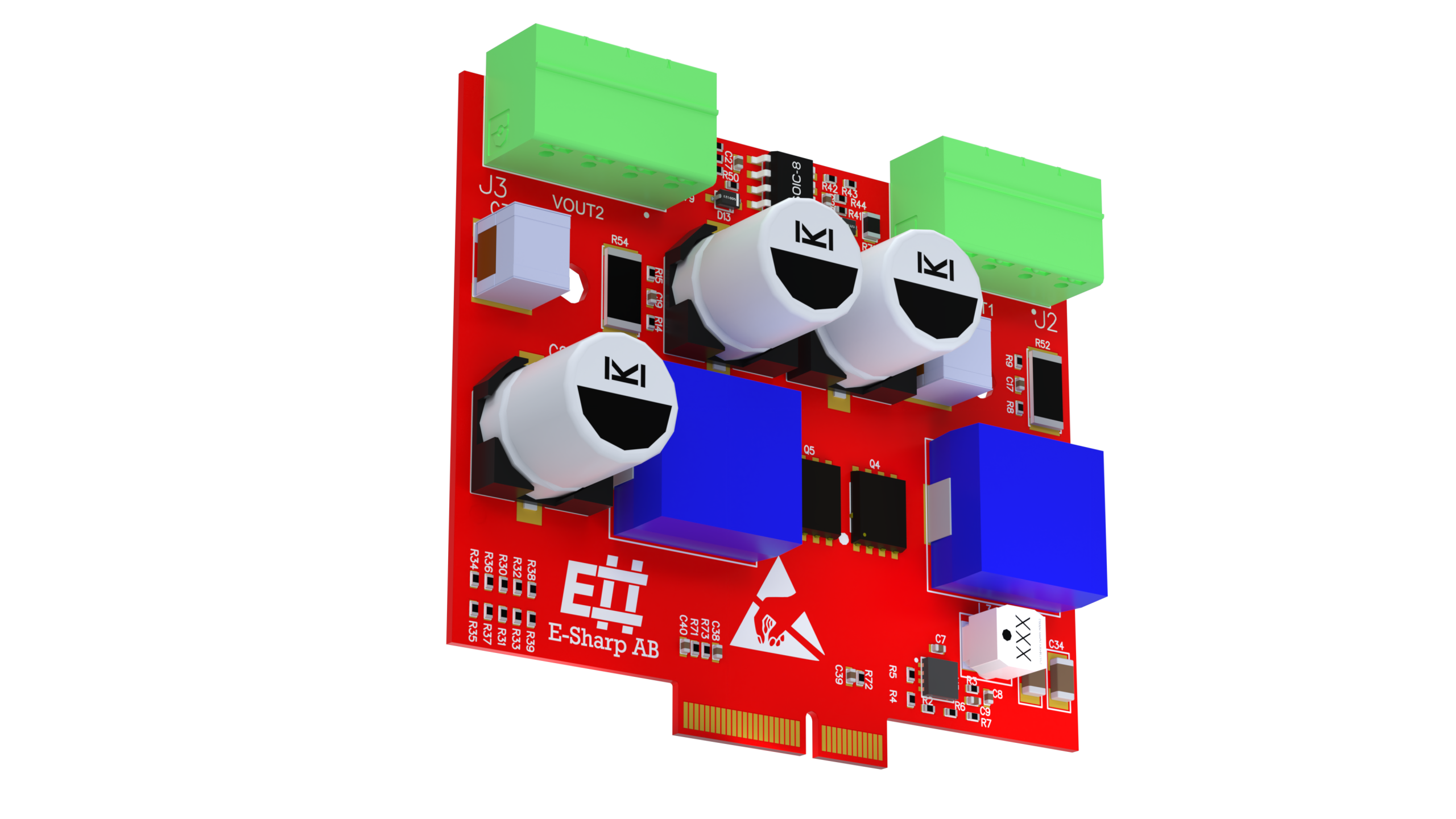
Mini-PSU
N-Top module for the Accordion test system — two buck-boost channels, 0–24 V at 1.5 A each, fully programmable over I²C.
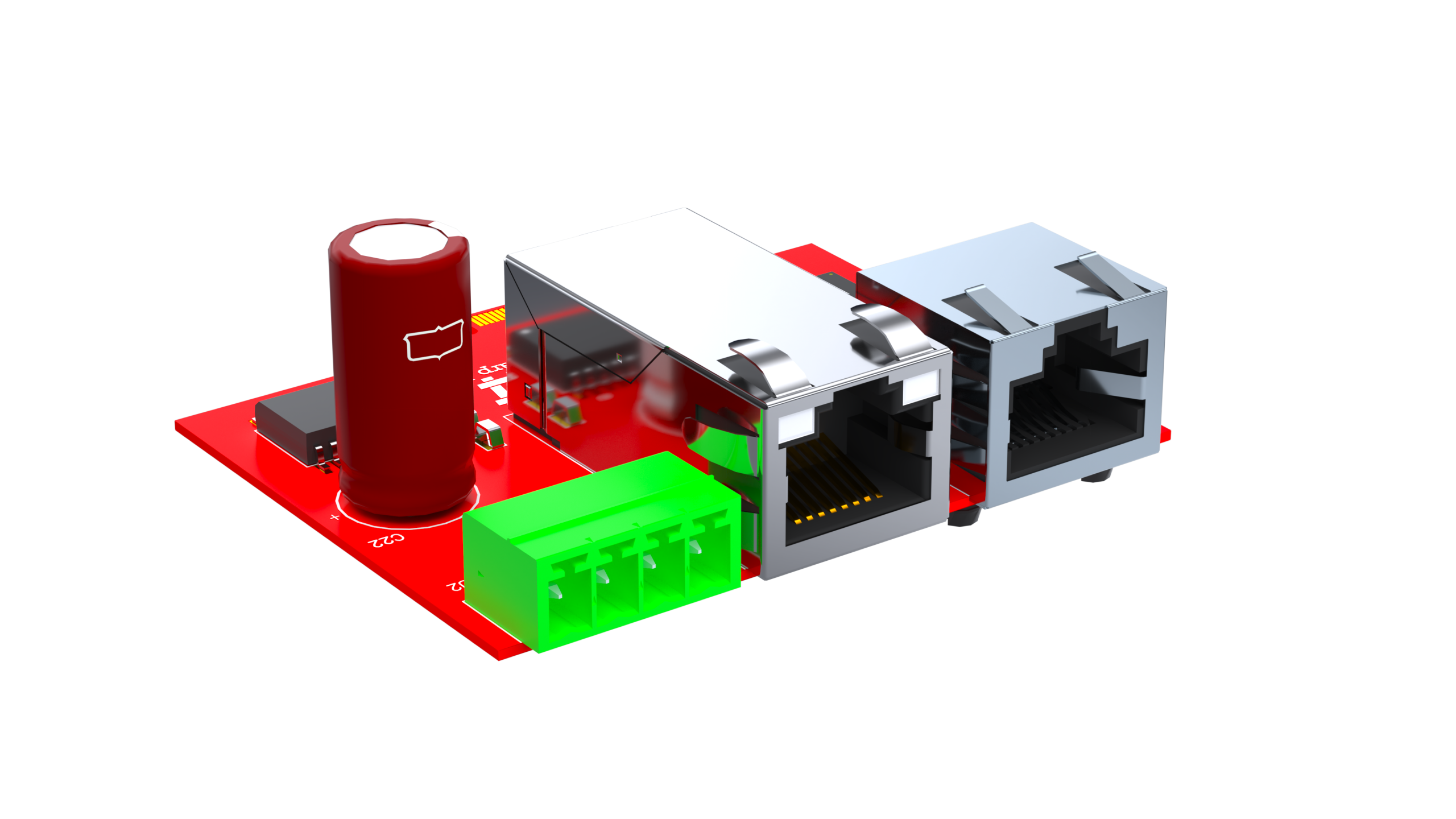
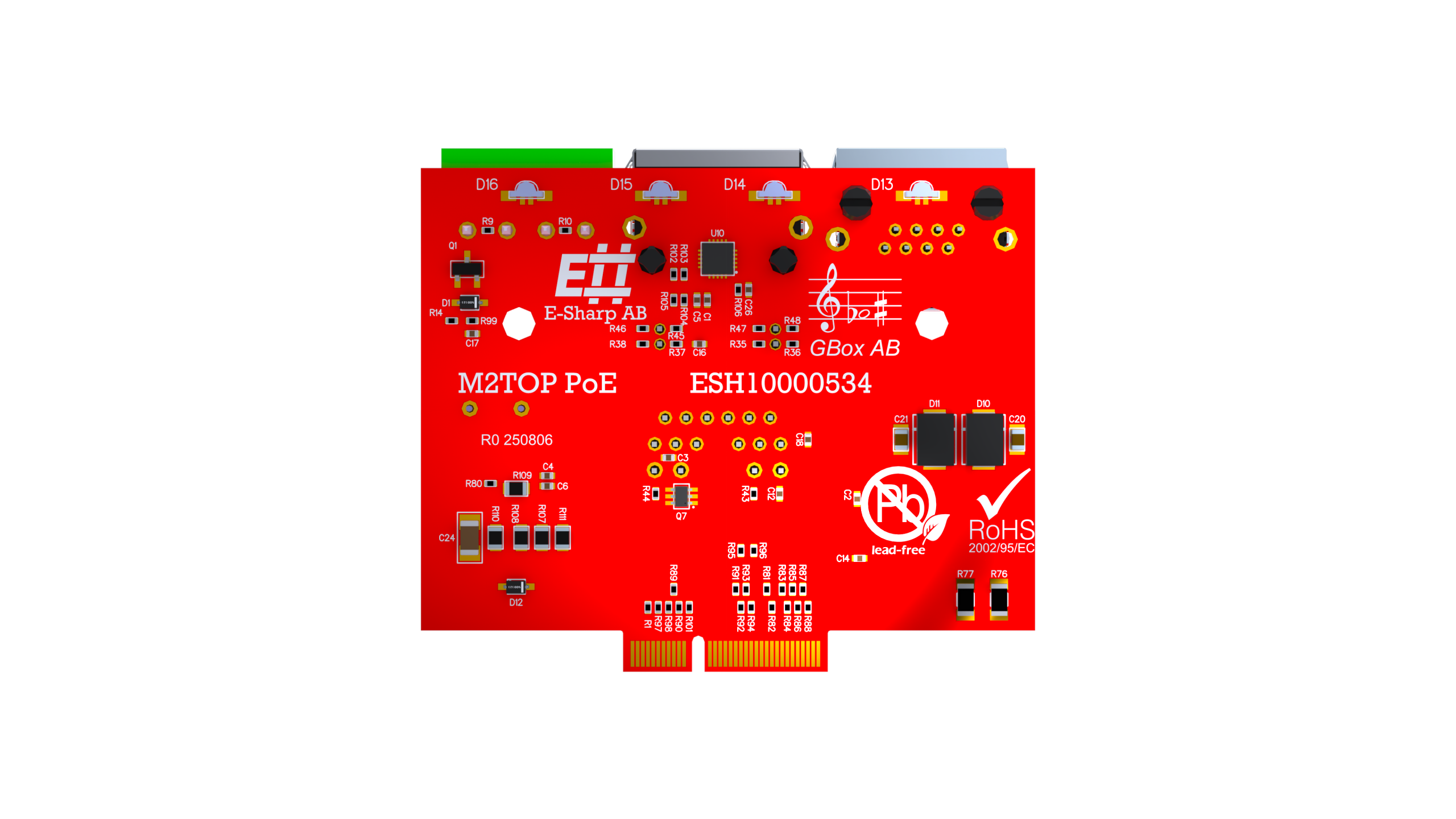
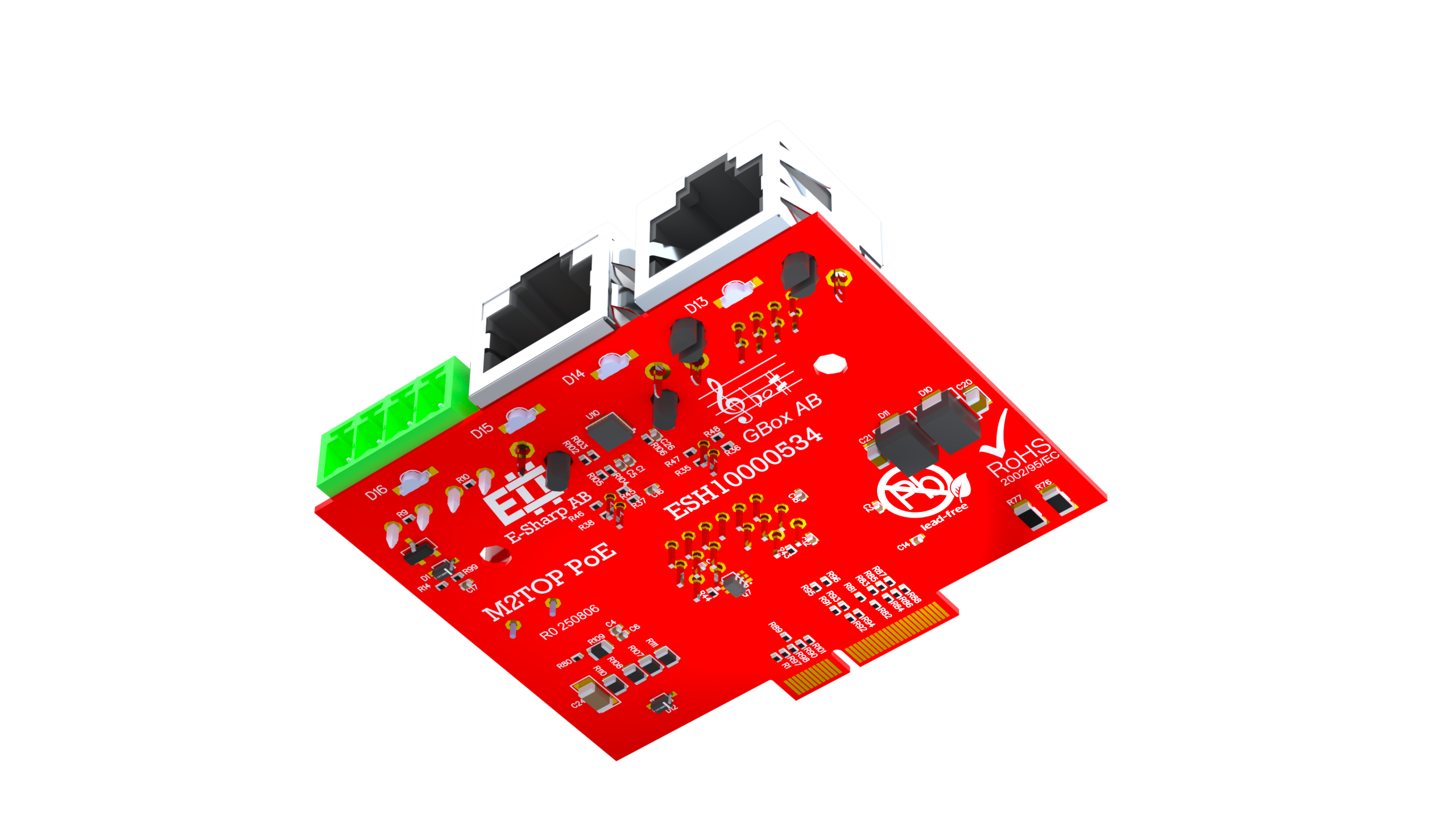
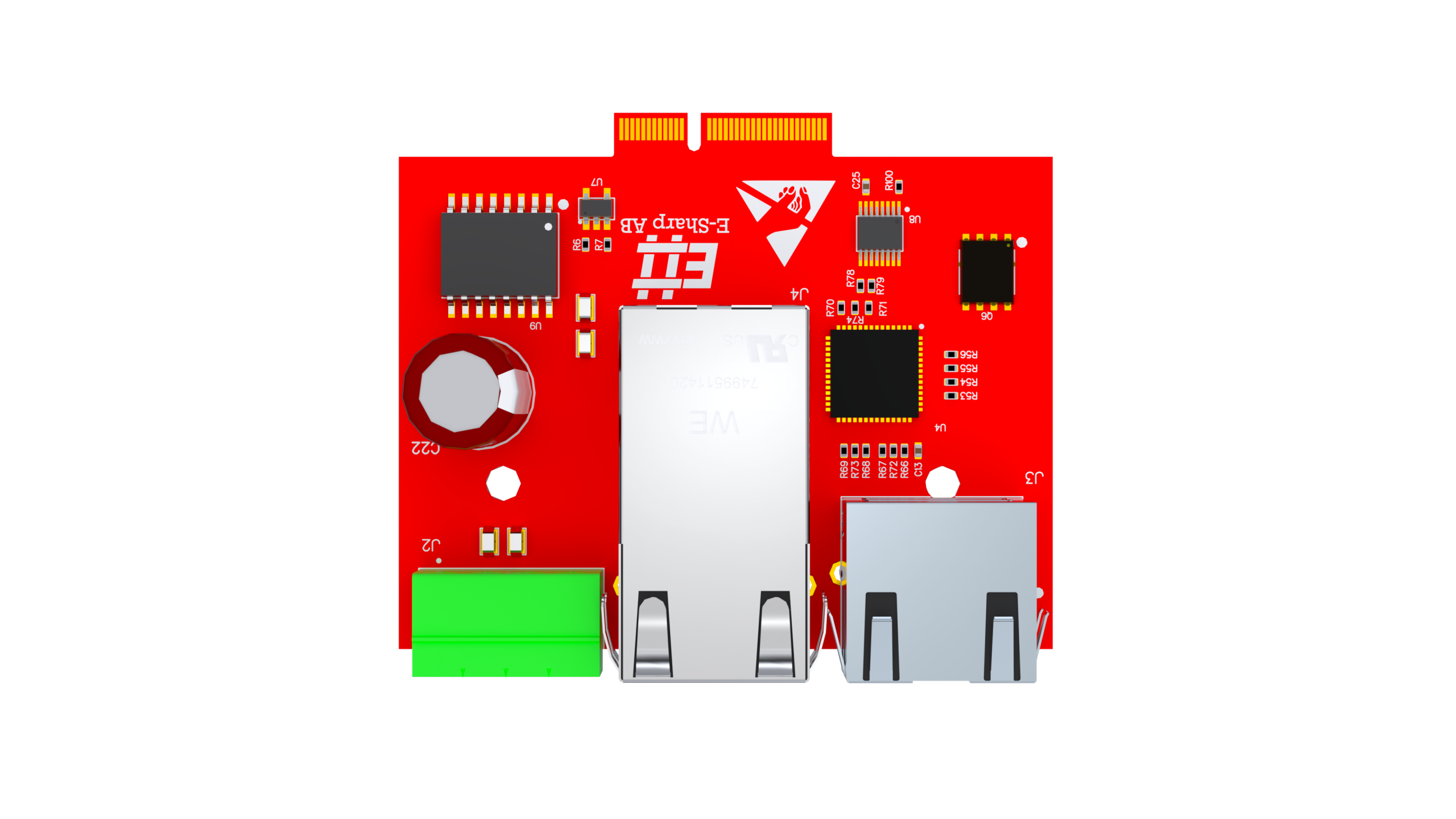
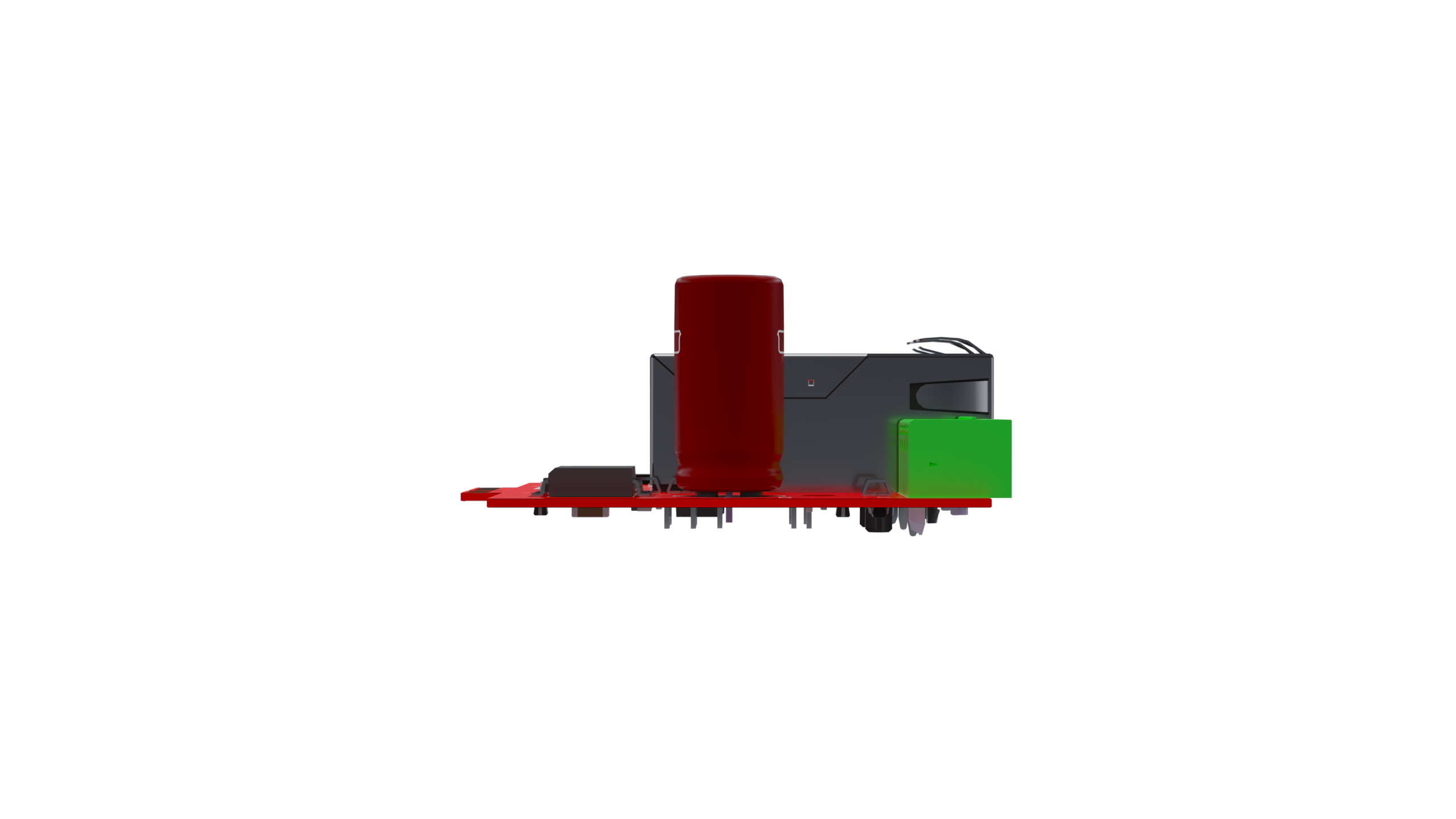
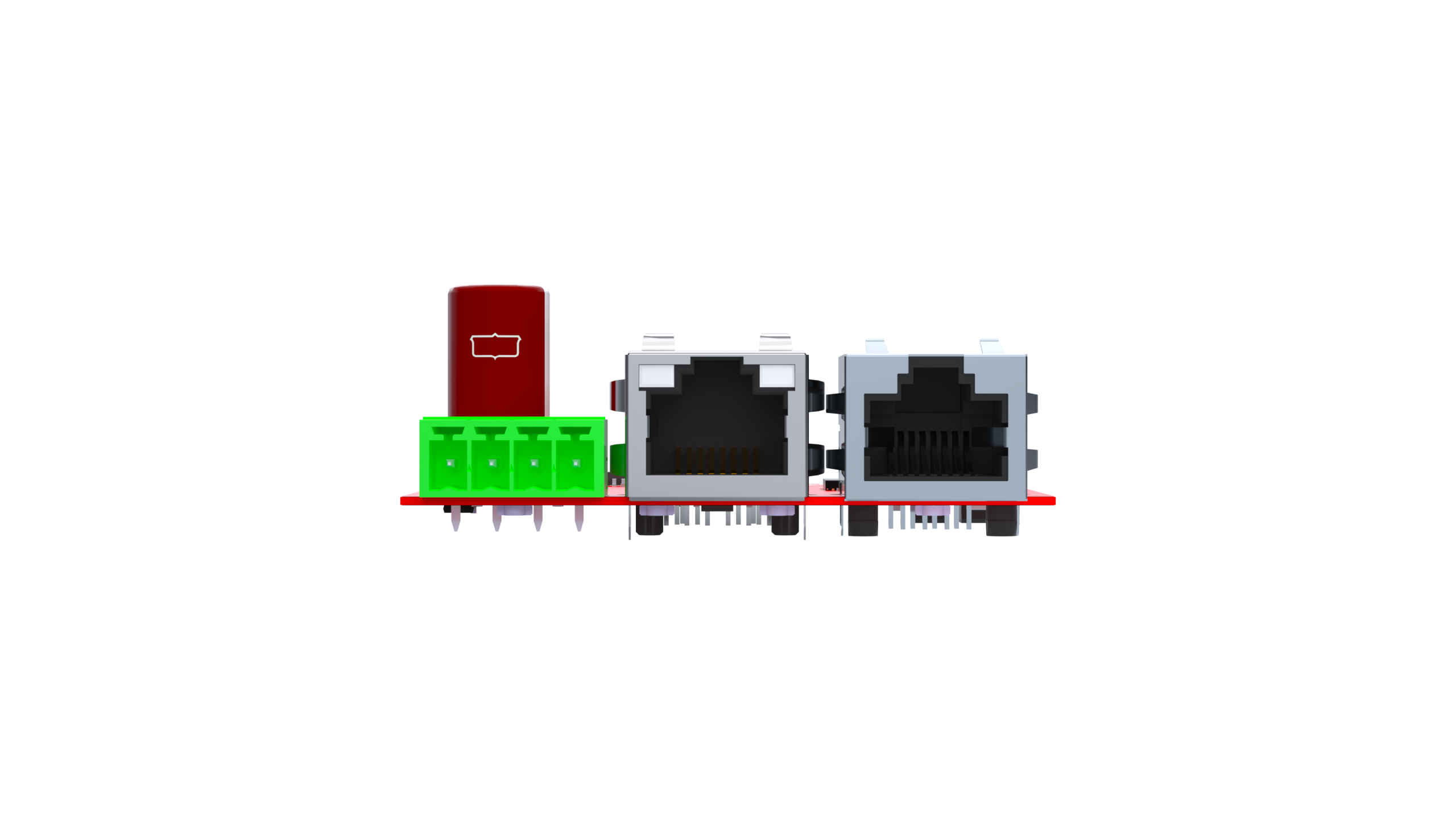

The ESH10000534 PoE M.2 Module is a Power over Ethernet sourcing module for the Accordion test platform, delivering up to 90 W on a single four-pair port per IEEE 802.3bt Class 8 / Type 4. It plugs into any Accordion M.2 slot and exposes detection, classification, power control, and per-channel telemetry through the same channel-based interface as the rest of the Accordion module family. Use it where deterministic PoE behaviour and detailed power observability matter — compliance work, NPI characterisation, and high-throughput production test.
The module integrates a dedicated PSE controller that handles PoE detection, classification, and protection without host-side polling. Real-time current and power are measured on each pair group (2 × 0–3 A) and reported per channel and as a port total. Min/max tracking captures inrush and transient events between explicit TELEMETRY.CLEAR_PEAKS calls, so the same module covers inrush characterisation and steady-state validation in one fixture.
Two RGB LEDs (POLARITY, VIN STATUS) give immediate visual feedback for input validity, PoE state, and fault conditions — useful when the same fixture is shared across operators on a production line. The PSE controller also exposes detailed fault and event registers for overcurrent (tOVLD, tLIM), start-up timeout (tSTART), thermal shutdown, supply under-/over-voltage, and PD disconnect events. Fault recovery depends on the selected operating mode (Auto, SemiAuto, Manual) — Manual gives full control over re-arming for tests that need to inspect the fault state before continuing.
The module occupies a single M.2 slot in the Accordion shell. All functionality is exposed as named channels following the standard Accordion convention {ModuleIndex}.ESH10000534.{ChannelName} — for example 0.ESH10000534.PowerStatusRegister.PG1. Ethernet magnetics and the user-facing RJ45 are implemented in the carrier board, so the same module serves a wide range of fixtures with different physical interfaces.
Bring-up follows the standard sequence: set the operating mode, allocate the power class (e.g. QP90W), enable detection and power, then read PG1 / PG2 and telemetry. The carrier needs adequate thermal management when the port runs sustained near 90 W, and PoE initialisation will not start below 42 V input.
Full electrical specifications, the complete telemetry and register channel list, fault behaviour per operating mode, the M.2 pinout, and the software bring-up reference are maintained in the E-Sharp Help Center. See the ESH10000534 product documentation.
Full electrical specifications, the complete telemetry and register channel list, fault behaviour per operating mode, the M.2 pinout, and the software bring-up reference are maintained in the E-Sharp Help Center. See the ESH10000534 product documentation.